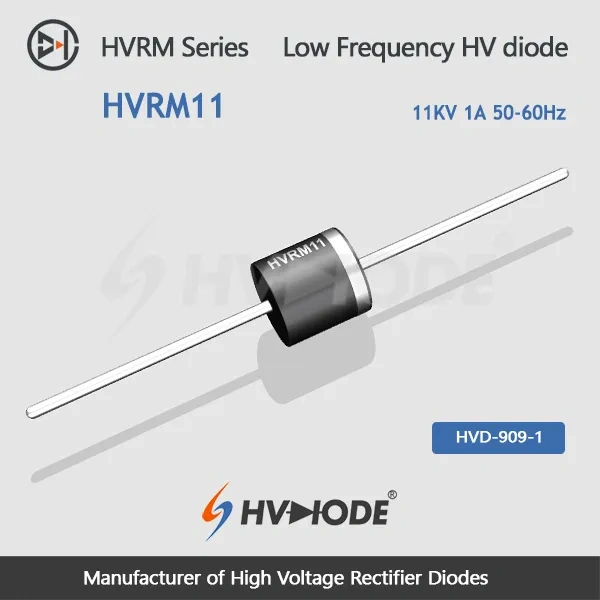
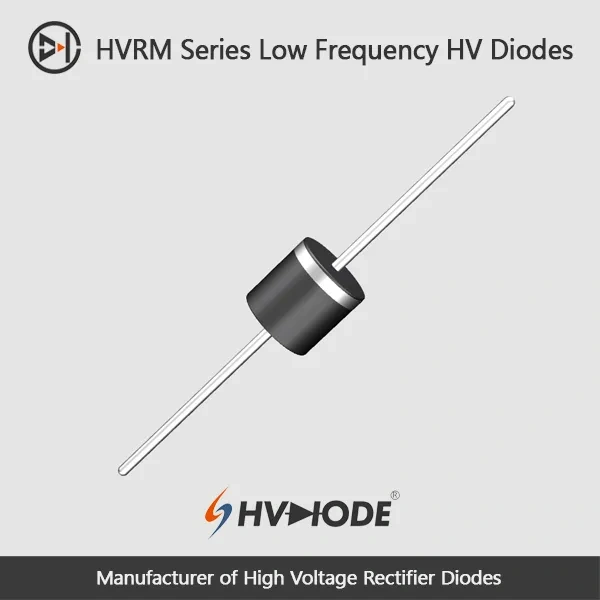
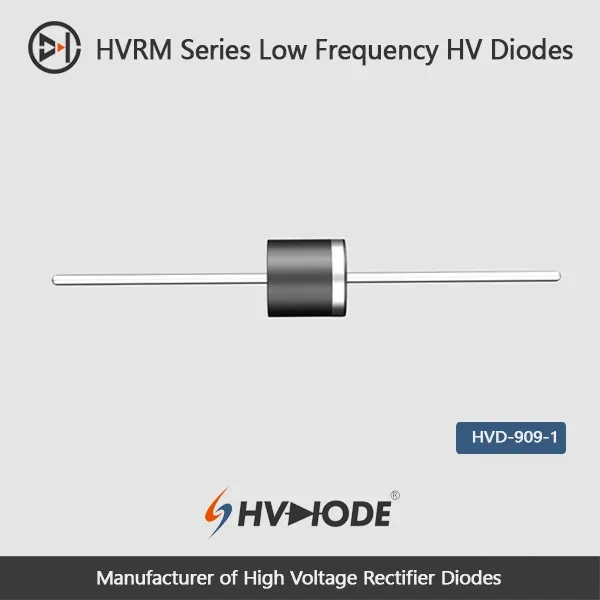
• HVRM11- Low frequency high voltage diode 11KV,1.0A,50-60Hz
  • HVRM11- Low frequency high voltage diode 11KV,1.0A,50-60Hz
  • HVRM11- Low frequency high voltage diode 11KV,1.0A,50-60Hz
  • HVRM11- Low frequency high voltage diode 11KV,1.0A,50-60Hz
  • HVRM11- Low frequency high voltage diode 11KV,1.0A,50-60Hz
  • HVRM11- Low frequency high voltage diode 11KV,1.0A,50-60Hz
  • HVRM11- Low frequency high voltage diode 11KV,1.0A,50-60Hz
  • HVRM11- Low frequency high voltage diode 11KV,1.0A,50-60Hz

HVRM11- Low frequency high voltage diode 11KV,1.0A,50-60Hz

Products Main features:
1、Axial leaded connection.
2、High thermal conductivity epoxy compound molding.
3、Excellent surge current resistance
4、Special high temperature resistant chip
  • HVRM11- Low frequency high voltage diode 11KV,1.0A,50-60Hz
  • HVRM11- Low frequency high voltage diode 11KV,1.0A,50-60Hz
  • HVRM11- Low frequency high voltage diode 11KV,1.0A,50-60Hz
  • HVRM11- Low frequency high voltage diode 11KV,1.0A,50-60Hz
  • Desciption

  • data sheet

  • Installation Guide

 HVRM11  Low frequency high voltage diode Data Sheet 
 Parameter Symbol Unit Test Conditions Value
 Repetitive Peak Backward Voltage Vrrm KV Ta=25℃  Ir=2.0μA 11
 Peak Working Backward Voltage Vrwm KV Ta=25℃  Ir=2.0μA 11
 Average Forward Current If(AV) A 50Hz Half-sine Wave , Resistance load @Tbreak=50℃ 1.0
 Backward Recovery Time Trr nS   --
 Surge Forward Current Ifsm A 0.01S @ Half-Sine wave  50Hz 100
 Operating Ambient Temperature Ta   -55~+175
 Storage Temperature Tstg   -55~+150
 Forward Peak Voltage Vfm V   ≥13.5
 Backward Peak  Current Irrm1 μA @ Ta=25℃ VRM=VRRM 2.0
Irrm2 μA @ Ta=100℃ VRM=VRRM 20.0
 Absolute Maximum Ratings & Electrical Characteristics


Engineered for Reliable Low-Frequency Rectification
The HVRM11 is specially designed for low frequency (50-60Hz) high voltage rectifier systems. Its 11KV repetitive peak voltage and 1.0A forward current capability make it the perfect solution for heavy-duty bridge rectifier circuits and high power diode applications demanding stable, efficient operation.

Outstanding Thermal and Structural Stability
Built with high thermal conductivity epoxy molding, the HVRM11 ensures excellent heat dissipation during operation. This not only enhances system reliability but also prolongs the diode’s service life even in extreme environments where temperature management is critical for diode pcb designs and pcb and assembly projects.

Superior Surge Current Resistance
The HVRM11 offers an outstanding surge forward current resistance of 100A (0.01s at 50Hz), safeguarding your systems against unexpected electrical surges. This makes it a dependable choice for high-stress rectifier high voltage operations.

Wide Operating Temperature Range
Operating reliably across temperatures from -55°C to +175°C, the HVRM11 excels in both low-temperature and high-temperature industrial environments. Whether installed in outdoor energy systems or indoor industrial controls, this hv diode delivers consistent performance.

Durable Axial Leaded Design
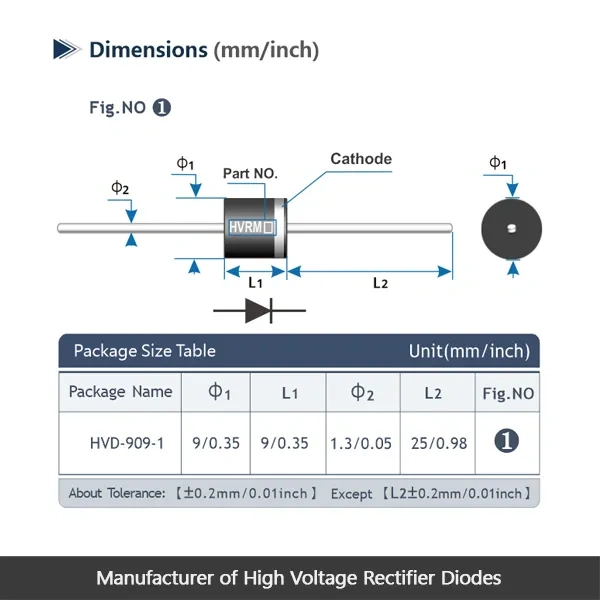
With its axial leaded structure, the HVRM11 ensures easy integration into pcb diode layouts and enhances mechanical stability, reducing risks during assembly and operation in various diodes manufacturers projects.


Product Advantages
  • High Voltage Capability: Supports up to 11KV repetitive peak reverse voltage, perfect for high voltage rectifier applications.
  • Excellent Surge Resistance: Handles up to 100A surge current, ensuring reliability in demanding environments.
  • Superior Heat Dissipation: High thermal conductivity epoxy molding guarantees efficient cooling.
  • Wide Temperature Range: Operates from -55°C to +175°C, ideal for extreme environmental conditions.
  • Robust Axial Leaded Design: Easy to integrate into various pcb and assembly projects, enhancing installation flexibility.


About Us

Industry Leadership: Advancing High-Voltage Rectifier Technologies Since 2008

At HVDIODE, we specialize in manufacturing semiconductor high-voltage rectifier components, combining advanced production capabilities with deep application expertise to serve global industrial and research sectors.

Core Manufacturing Strengths and Quality Assurance

  • Advanced Production Facilities: Equipped with multi-voltage high-voltage test benches, high/low temperature test chambers, leakage current testers, TRR testers, and surge impact benches, all certified by national metrology units.
  • Comprehensive Certification System: ISO 9001 Quality Management Certification, RoHS Environmental Compliance Certification, and SGS Global Inspection Certification ensure our strict adherence to international standards.
  • Research and Development Excellence: A dedicated R&D team actively develops new technologies and holds multiple national patents for innovations in high-voltage applications.

Production Capability at a Glance

  • Established: Since 2008, over 15 years of manufacturing excellence.
  • Product Range: High Voltage Diodes, Ultra Fast Recovery Diodes, Silicon Carbide Diodes, High Voltage Rectifier Bridges, High Voltage Rectifier Assemblies, and Custom High-Voltage Modules.
  • Testing Equipment: 20+ sets of certified precision testing devices to ensure every parameter meets stringent requirements.

Commitment to Sustainability

At HVDIODE, we integrate environmental responsibility into our operations by adhering to RoHS standards and continuously innovating towards energy-efficient and long-lasting diode solutions.

Seamless Customer Collaboration Process

  • Requirement Analysis – Understand your specifications and application needs.
  • Tailored Solutions – Provide expert design and product recommendations.
  • Production and Testing – Execute manufacturing with rigorous multi-stage inspections.
  • Global Delivery – Fast, reliable logistics to ensure timely delivery worldwide.
  • After-Sales Support – Continuous technical assistance and product optimization services.

Global Service Reach

Our products are trusted by top universities, research institutes, and high-end enterprises across Asia, Europe, and the Americas. We offer multilingual customer service, customized OEM/ODM solutions, and comprehensive technical support, ensuring you can rely on us wherever your business operates.

Partner with HVDIODE today and experience unmatched expertise, quality, and service in high-voltage rectification technology. Let's power innovation together — contact us now!


Enhance your high-voltage systems with the robust HVRM11 diode from HVDIODE! Contact us now for expert consultation, fast quotes, and premium-quality components tailored to your needs!

Surge & Thermal Performance

  • 100A surge capability. The diode absorbs a 100A half-sine surge for 0.01s at 50Hz, the kind of hit a rectifier takes at switch-on or when a capacitor bank charges through the bridge.
  • High thermal conductivity epoxy molding. Heat leaves the chip quickly through the molded body, so the junction runs cooler under continuous load and the part keeps its ratings for longer.
  • Special high temperature resistant chip. The chip is built to stay electrically stable when the equipment around it runs hot, which matters inside enclosures with little natural airflow.
  • Wide ambient range. Operation is rated from -55 °C to +175 °C, covering cold outdoor installations as well as hot industrial cabinets.
  • Predictable forward drop. A forward peak voltage of ≥13.5V gives you the worst-case conduction loss figure to build into a thermal calculation before the part is fitted.

Applications

Bridge rectifier circuits. Two diodes conduct on each half cycle in a bridge stack, so every part blocks the full secondary voltage while carrying the load current; an 11KV rating at 1.0A suits stacks fed from a high-voltage transformer secondary. Diode PCB assemblies. Where several high voltage diodes sit in a row on one board, spacing and airflow matter as much as the rating, because heat has to leave each package. High voltage rectifier projects in outdoor energy systems and indoor industrial controls, where the diode turns mains-frequency AC into the DC rail that feeds the rest of the circuit. Repair and replacement, where service teams match the original blocking voltage instead of fitting a lower-rated substitute.

Operating Environment

  • Insulating oil — recommended. Immersing the part in transformer oil combines high dielectric strength with effective heat removal, the simplest way to keep a high voltage diode inside its thermal window.
  • Insulating gas — recommended. Sealed gas insulation gives the same dielectric benefit without liquid handling, and suits equipment that must stay light or work in any orientation.
  • Potted or secondary-packaged assemblies. When the diode sits inside a molded module, the surrounding material has to carry the heat away, so these builds demand better heat dissipation and tighter parameter performance.
  • Open air or forced air cooling. A bare diode in air is the hardest case: a small body discharges more easily and heat dissipation is only average, so mount it with insulated electrodes at both ends and add airflow where the design allows.

Technical Support & Model Matching

Selection support starts before you order. Our technical team reviews your working voltage, forward current, surge and thermal conditions against the published datasheets, then recommends the closest high-voltage diode and confirms the matching part number. We also guide you through installation and insulation considerations, and help troubleshoot issues during qualification or after delivery. Suly Electronics manufactures these diodes directly, supplies them in bulk, and keeps answering technical questions for the parts you already use.

FAQ

Q1. What is the difference between Vrrm and Vrwm on this diode?

Both are 11KV on the datasheet. Vrrm is the repetitive peak reverse voltage the diode can block cycle after cycle in normal operation, while Vrwm is the peak working reverse voltage it is specified to withstand in service. Because the two figures match, this part can hold an 11KV blocking level continuously rather than only for occasional peaks.

Q2. Can this diode be used in a high-frequency switching circuit?

No. This part is built for low-frequency rectification at 50-60Hz, where it only has to switch twice per mains cycle. Most high voltage diodes used in switching supplies and inverters are fast recovery or silicon carbide types that turn off much faster. If your circuit switches in the kilohertz range, tell us the frequency and we will point you to the right series.

Q3. How should this axial leaded diode be mounted on a board?

Form the leads to your hole pitch and keep every bend clear of the molded body, where the lead-to-package seal is most delicate. Apply soldering heat to the lead rather than the package, and avoid using a lead as a lever when you seat the part. Leave room around the body so heat can escape.

Q4. How do I know whether 11KV is the right rating for my circuit?

Work from the highest reverse voltage your circuit can present to the diode — the peak of the secondary winding plus any switching or surge overshoot — then leave margin above it. If that figure sits near 11KV, step up to the next rating in the series. Check as well that your average forward current stays inside the rating for this part.

Q5. How should I store and handle spare diodes?

Keep spare parts in their original packaging in a dry, dust-free area, and leave the leads straight until they go to the line. Handle them by the body or the lead ends rather than pulling on a lead, and follow the storage window printed on the datasheet when you hold long-term stock.

Q6. Can this part replace the 11KV rectifier diode already fitted in our equipment?

Usually yes, provided the failed part is an 11KV-class low-frequency rectifier with a comparable forward current rating and axial leads. Compare lead diameter, lead spacing and body length against the part you are removing before committing a whole repair batch. As high voltage diode manufacturers we can match the replacement to the original rating and supply it for repair stock as well as production.
The selection of high-voltage diodes is closely related to their usage environment。

1. Used in insulating oil. (Recommended)
2. Used in insulating gases. (Recommended)
3. Secondary packaging use. (High requirements for heat dissipation and other parameter performance of components)
4. Use in exposed air or add air cooling. (If the size of the high-voltage diode is small, it is easy to discharge, and the heat dissipation performance is average.)

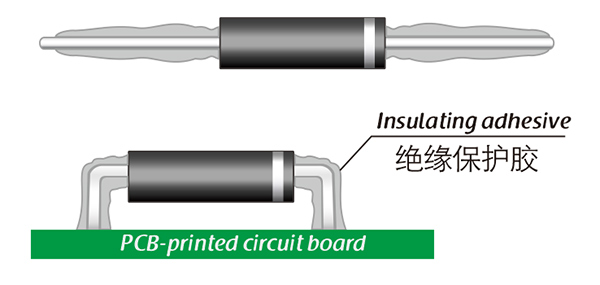
For high-voltage diodes used in exposed air, it is recommended to install them with insulated electrodes at both ends.


Common treatment methods for surface adhesive insulation:

Characteristics of insulation adhesive material:

1. Silicone material usually presents a transparent and elastic rubber state after curing, which is more effective in shock resistance and can also withstand severe stress changes caused by large high and low temperature changes (-40 ° C~200 ° C).

2. Acrylic materials typically exhibit a transparent and hard coating after curing, with low moisture absorption and fast curing time, as well as excellent wear resistance and insulation.

3. After curing, Urethane material usually presents a transparent and hard coating, which has superior wear resistance and good moisture resistance. Its performance is particularly stable in low temperature environments, but it is less resistant to high temperatures.

4. The coating material based on epoxy is very sturdy and usually opaque, with good moisture and moisture resistance. Its resistance to chemical corrosion and wear is also very good. In addition, epoxy also has good dielectric properties.

Here, suitable insulation adhesive materials can be selected based on the different usage situations of engineers.

HVDIODE - Suly Electronics Co., Ltd.

Expects To Provide You With Perfect Service

Name
Email *
Verification Code *
Verification Code
Leave a message
Name
Email *
Message
Verification Code *
Verification Code
We use Cookie to improve your online experience. By continuing browsing this website, we assume you agree our use of Cookie.